How does foreclosure work in Florida?
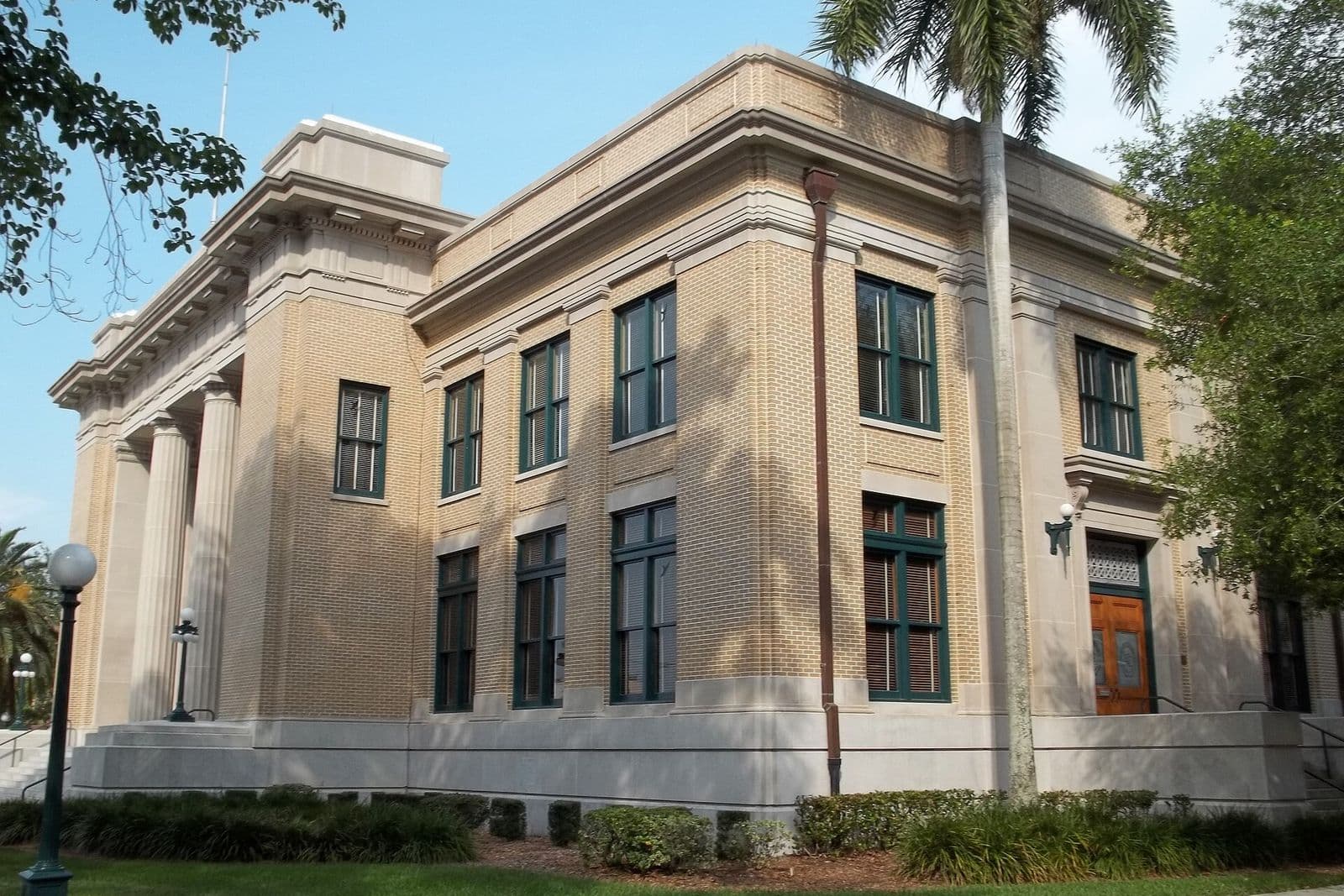
Florida forecloses through the courts. Your lender has to file a lawsuit, win a final judgment from a judge, and then the Clerk of Court sells the house at a public auction. That takes time, and you have options at every step.
You can sell your house during a Florida foreclosure. The loan is paid off from the sale money at closing, and you keep whatever is left. Big Buck Offers buys houses as-is anywhere in our Florida markets and can close in as little as 7 days.
The Florida foreclosure timeline
| Step | When | What you'll get |
|---|---|---|
| Missed payments | Month 1 to 3 | Calls and letters from your servicer, then a demand letter |
| No filing yet | Until you're more than 120 days behind | Federal rules bar the first foreclosure filing before then |
| Lawsuit filed | After 120 days | A summons and complaint, delivered to you, and a lis pendens in the county records |
| Your answer | 20 days after you're served | Your written response to the court |
| Final judgment | After a hearing, or a show-cause hearing | A judgment with the sale date |
| Notice of sale | At least 2 weeks before the sale | A published notice with the date and place |
| Auction | 20 to 35 days after the judgment, unless the lender agrees to later | An auction run by the Clerk |
| Certificate of title | About 10 days after the sale, if no one objects | The buyer at auction becomes the owner |
These are the minimums the law sets. Cases often take longer, depending on the court's schedule, whether you answer, and whether you're applying for help.
Before the lawsuit: the demand letter
After a missed payment or two, your servicer will call and write. If you fall about three months behind, you'll usually get a demand letter, also called a notice to accelerate. It gives you a deadline to catch up before the lender sends the loan to its attorneys, and from then on attorney fees get added to what you owe.
Federal rules say the servicer can't make the first foreclosure filing until you're more than 120 days behind. Use that time. Call your servicer, ask what help they offer, and talk to a free HUD-approved housing counselor at (800) 569-4287.
The summons, the complaint and the lis pendens
The lawsuit starts when the lender files a complaint in circuit court. A process server delivers a summons and a copy of the complaint to you. The lender also records a lis pendens, a public notice in the county records that a lawsuit involves the house.
The summons gives you 20 days to serve a written answer. If you don't respond, the lender can ask the court for a default, and the case moves faster. Talk to a Florida foreclosure attorney or your local legal aid office right away. A lis pendens doesn't stop you from selling. The title company sees it, and it's released once the loan is paid off and the case is dismissed.
Final judgment, the notice of sale and the auction
If the lender wins, the judge enters a final judgment of foreclosure. It states what you owe and sets a sale date, usually 20 to 35 days after the judgment. The lender can also ask for an order to show cause, a faster track where you get a hearing date and a chance to explain why a judgment shouldn't be entered.
A notice of sale is published for at least 2 weeks before the auction. On sale day the Clerk auctions the house, and the winning bidder pays a 5 percent deposit that day. The Clerk then files a certificate of sale. Anyone can object within 10 days; if no one does, the Clerk issues a certificate of title and the buyer owns the house.
You can still stop the sale by paying what the judgment says you owe until the Clerk files the certificate of sale (or an earlier time the judgment sets). After that, the right is gone.
What happens after a foreclosure sale
If the house sells for more than you owe, the extra money is called surplus. You can claim it from the Clerk. If the house was your homestead, the judgment includes a notice that you can claim it yourself and are not required to have a lawyer. Check with the Clerk within 10 days after the sale.
If the house sells for less than you owe, the lender can ask the court for a deficiency judgment for the difference. On a one- to four-family home, Florida gives the lender 1 year after the certificate is issued to go after it.
Your options at each stage
- Catch up. Ask your servicer for a reinstatement quote: the total to bring the loan current, good through a date.
- Apply for help. Send your servicer a complete application for a modification or other options. If it arrives more than 37 days before a scheduled sale, the servicer has to review it before the sale goes ahead.
- Get free counseling. A HUD-approved housing counselor can help with your servicer at no cost. You should never pay anyone upfront to stop a foreclosure.
- Sell before the sale date. Your loan is paid off at closing, and you keep any equity.
- Owe about what it's worth? In some cases we can take over your payments instead.
| List it with an agent | Sell to Big Buck Offers | |
|---|---|---|
| Time | Time on the market, then the buyer's loan approval, all before the sale date | As little as 7 days, or on your date |
| Repairs | Buyers' inspections often lead to repair requests or price cuts | None. We buy as-is |
| Commissions | You pay your listing agent, and maybe the buyer's | None |
| Closing costs | You pay your share | We pay the closing costs |
If the house is in good shape and the sale date is months away, listing can bring a higher price, before commissions, closing costs and repair requests.
How selling to us works
- Tell us about the house. Use the form on this page or call 1-844-348-9268. If there's a sale date, include it.
- Get an offer, usually the same day we have the property details.
- Pick your closing date, as soon as 7 days or on the date that works for you.
See more on selling your house to stop a foreclosure. Behind on taxes too? Read how to stop a Florida tax deed sale. In Charlotte County, the Charlotte County homeowner help page lists the Clerk's foreclosure office. We buy in Port Charlotte, Sarasota, Bradenton, Lakeland and across the areas we serve.
FAQ
How long does foreclosure take in Florida?
The law sets minimums: no filing until you're more than 120 days behind, 20 days to answer the summons, and a sale 20 to 35 days after the judgment. Cases often take longer, depending on the court, whether you answer, and whether you apply for help.
Can I sell my house during foreclosure in Florida?
Yes. Your sale needs to close before the foreclosure auction, and the loan is paid off from the sale money at closing. The earlier you start, the more choices you have.
Do I still owe the bank after a foreclosure in Florida?
You might. If the auction brings less than you owe, the lender can ask for a deficiency judgment. On a one- to four-family home, it has 1 year after the certificate is issued. A local attorney can tell you where you stand.
Will a cash buyer's contract stop my foreclosure sale?
Not by itself. The sale stops when the loan is paid off at closing, or the lender agrees to postpone it. Tell any buyer your sale date up front, and get every offer in writing.
This page is general information about how these sales can work. It isn't legal, tax or financial advice, and Big Buck Offers isn't a law firm, an attorney, a lender or a financial advisor. Reading it doesn't create an attorney-client or advisory relationship with anyone. Every loan and every situation is different, and laws change, so please have your own real estate attorney review any agreement before you sign it. We're glad to answer questions and to work with your attorney.