

What does it mean when a house is condemned?
A condemned house is one that a local building or code official has declared unsafe or unfit to live in. The office usually posts a placard on it, and people can't live there until the problems are fixed and the official clears it. If nothing gets fixed, it can lead to an order to repair or demolish, daily fines and a lien on the property. And yes, you can usually still sell a condemned house, including as-is.
Rules are local. Most of our markets are in Florida, so this page uses Florida law as the worked example. Elsewhere, the office that posted the notice can explain its process.
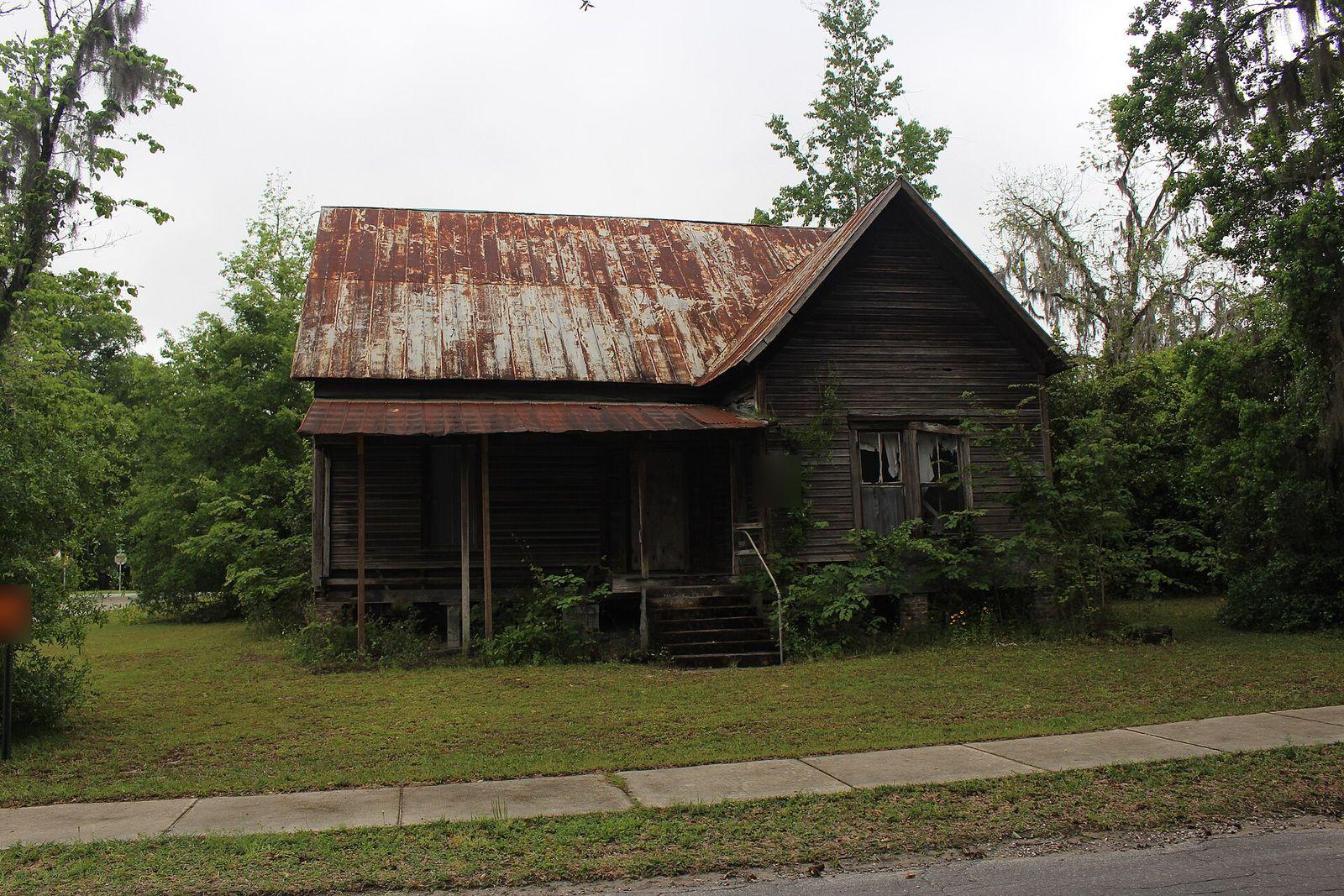
Why do houses get condemned?
Many local codes build on the International Property Maintenance Code. Alachua County adopted it in 2022, and the City of Brooksville publishes its own version. That code calls a structure unsafe when it's dangerous to the life, health, property or safety of the public, and unfit to live in when it's unsafe, unsanitary, infested or missing the basic plumbing, heating, light or ventilation a home needs.
In practice, that usually means things like:
- Structural problems: a failing roof, floor or foundation, or parts that could fall.
- Fire or storm damage. Alachua County's code lists damage from fire or wind among the conditions that make a building dangerous. See selling a fire damaged house.
- Vacant and open. A vacant house that isn't secured against trespassers.
- Long-term neglect. Jacksonville's code office, for example, goes after structures that are "structurally unsound and unsafe due to blight and abandonment."
There's no shame in it. Houses get here after a storm, a death in the family or years of being too much to keep up.
How does a house get condemned?
Usually after an inspection. A code or building officer inspects a house after a complaint from a neighbor, a tenant or a utility company, or after a fire or storm. If the officer finds it unsafe or unfit to live in, the office sends a notice and may post a placard.
If you're worried about a house near you that looks unsafe, call your city or county code enforcement office. They decide whether to inspect, not the neighbor who called.
What happens after a condemned or unsafe structure notice
Under Florida's code enforcement law, the steps usually go like this:
| Step | What happens | What you can do |
|---|---|---|
| 1. Notice | The inspector notifies you of the violation and gives you a reasonable time to fix it. | Call the office. Ask exactly what has to be fixed and by when. |
| 2. Placard | If the house is condemned, a "Condemned" placard is posted and anyone living there must leave as ordered. | Don't remove the placard. Ask what it takes to clear it. |
| 3. Hearing | If it isn't fixed in time, a code board or special magistrate hears the case. | Go to the hearing, or have an attorney go. |
| 4. Order and fines | The board can fine you for each day past the deadline. The code official can order the owner to repair the house or demolish it. | Repair it, or sell it with the case disclosed. |
| 5. The city acts | If an order is ignored, the local government can demolish the house and the cost becomes a lien on the property. | A lien is paid from the sale at closing. |
If the official sees a serious threat to public health or safety, the case can skip ahead to a hearing quickly, and the local government can make repairs and charge you the cost along with the fine.
Can you live in a condemned house?
Generally, no. Under the property maintenance code in Brooksville's version, a condemned and placarded house must be vacated, staying there carries penalties, and only the code official removes the placard once the problems are fixed. Rules differ by city, so check with the office that posted the notice before anyone stays there.
Code fines and liens on a condemned house
A condemned house almost always has a code case behind it, and in Florida that case can bring daily fines that become a lien on the property. Fines and liens are usually paid from the sale money at closing. If you sell while a case is open, Florida law says to tell the buyer about it in writing and notify the code office within 5 days after the sale.
Our guide to selling a house with code violations covers the fine limits, lien searches and getting a fine reduced. Local pages have more: Tampa, Jacksonville, Lake County and Charlotte County. If property taxes are behind too, read how to stop a Florida tax deed sale.
Your options with a condemned house
| Option | What it takes | Often a fit when |
|---|---|---|
| Repair it and get it cleared | Permits, contractors and a final inspection | You want to keep it and can pay for the work |
| Ask for more time or a hearing | Call the office, show progress, go to the hearing | Repairs are underway |
| List with an agent | Repairs first in most cases, then time on the market, commissions and closing costs | The house can be fixed and you have time |
| Sell as-is to Big Buck Offers | Tell us about the house and the case | You can't or don't want to fix it |
| Do nothing | Fines keep adding up and the city may demolish and lien the cost | Rarely a good choice |
To be fair about it: a fixed-up house listed with an agent can bring a higher price when you have the time and money for the repairs. Compare what you'd actually walk away with after repairs, commissions, closing costs and fines. When you sell to us, there are no repairs, no fees and no commissions, and we pay the closing costs.
What a buyer needs when you sell as-is: the notice, the case number and the office's name, plus a payoff amount for any fines or liens from the code office. Fines, liens and any mortgage are paid from the sale at closing.
If it's an inherited house, see selling an inherited house. If it's listed and not moving, read what to do when you can't sell your house.
How selling to us works
- Tell us about the house. Use the form on this page or call 1-844-348-9268.
- Get a cash offer, usually the same day we have the property details.
- Pick your closing date, as soon as 7 days or on the date you choose.
You can leave the contents behind. Or just ask us for an offer.
FAQ
Can you sell a condemned house?
Yes. You can usually sell a condemned house as-is. In Florida, if a code case is pending, disclose it to the buyer in writing and notify the code office within 5 days after the sale.
What does condemned mean on a house?
A local building or code official has found the house unsafe or unfit to live in, usually posted with a placard. It stays that way until the problems are fixed and the official clears it.
Can you live in a condemned house?
Generally, no, not until the official removes the placard. Check with the office that posted it.
How does a house get condemned?
A code or building officer inspects it, usually after a complaint or after a fire or storm, and finds it unsafe or unfit to live in. The office then sends a notice and may post a placard. If you get a demolition order, call the office and talk to a local attorney.
What happens to a condemned house if nothing is done?
Fines can keep adding up, and if an order to repair or demolish is ignored, the local government can demolish the house and put the cost on the property as a lien. Selling, repairing or asking the office for more time all stop that from getting worse.
This page is general information about how these sales can work. It isn't legal, tax or financial advice, and Big Buck Offers isn't a law firm, an attorney, a lender or a financial advisor. Reading it doesn't create an attorney-client or advisory relationship with anyone. Every loan and every situation is different, and laws change, so please have your own real estate attorney review any agreement before you sign it. We're glad to answer questions and to work with your attorney.