

Can you sell a house with code violations?
Yes. You can sell a house with open code violations, unpaid code fines or a code lien. Fines and liens are usually paid from the sale money at closing, and the buyer takes over fixing the problems. What you can't do is keep the case quiet: you have to tell the buyer about it.
Code cases start with things like an overgrown yard, junk out front, a roof in disrepair, work done without a permit, or a house left vacant and open. Some end with a quick fix. Others turn into daily fines, a lien, or a threat to condemn or demolish. If yours is there, read what to do with a condemned house too.
Rules are local. This page uses Florida law; elsewhere, check with your city or county code enforcement office.
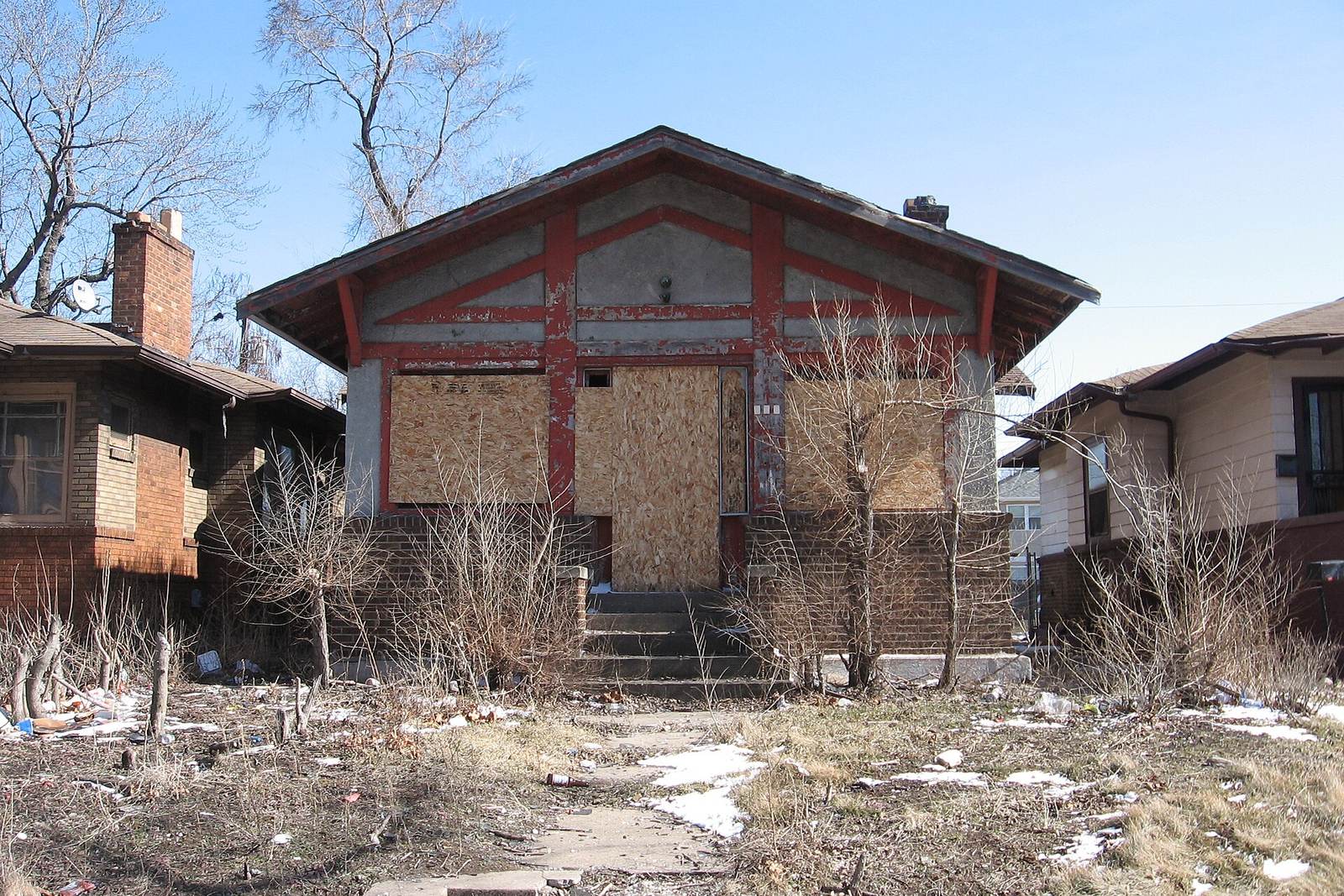
What happens to code fines and liens when you sell
Florida's code enforcement law (chapter 162) sets the basics:
- Time to fix it. For most violations, the inspector gives you a reasonable time to correct it before asking for a hearing. Repeat or serious violations can go straight to a hearing.
- Daily fines. If it isn't fixed by the deadline, the code board or special magistrate can fine you for each day it continues: generally up to $250 a day for a first violation and $500 for a repeat. Counties and cities of 50,000 or more people can adopt higher caps, up to $1,000 a day for a first violation.
- The fine becomes a lien. A recorded fine order is a lien on the house, and on other property the owner has. Fines keep adding up until the house is in compliance.
- Foreclosure. Three months after the lien is filed, the board can have its attorney foreclose or sue for the money. A code lien can't be foreclosed on a homestead.
- How long it lasts. Generally 20 years after the fine order is recorded, longer if the local government sues to collect in that time.
At closing, the title company asks the code office for a payoff letter and pays the lien from your proceeds, along with any mortgage and other liens on the house. You keep what's left.
Find out what you owe. Call the office that sent your notice and ask for the case number, what has to be fixed and the current payoff. Many offices also do lien searches. The City of Tampa's costs $25, usually comes back within 7 business days, and its payoff letter is good for 45 days.
Asking for a lower fine. A Florida code board can reduce a fine, and many counties have a lien reduction process. Hillsborough and Osceola counties both require the violations to be fixed first, so ask your office how it handles a sale.
Selling while the case is open. If you sell after you've been served but before the hearing, Florida law says you must first tell the buyer about the case in writing, give them copies of the notices you got, and tell them in writing that they'll be responsible for fixing it. Within 5 days after the sale, you notify the code office with the new owner's name and address. Skipping these steps creates a rebuttable presumption that the sale was meant to defraud.
Unpermitted work and open permits
Florida law makes it unlawful to build, alter, repair or demolish a building without first getting a permit. A garage turned into a bedroom or an addition done without one can show up as a code case, or as a question from a buyer's lender or insurer. Your choices:
- Ask about permitting it now. Ask your building department whether the work can be permitted and inspected as it is. Some may have to be opened up or redone.
- Close an open permit. Under Florida law, an owner can close a permit by using the original contractor, hiring another licensed contractor, or acting as an owner-builder. An expired permit with the work mostly done can often be closed without a new one.
- Sell it as-is and disclose it. The buyer takes on the permit work. Florida law says a local office can't cite or fine a buyer in an arm's-length sale just because a past owner never closed a permit.
Do you have to disclose code violations?
In Florida, yes, if you know about them. The Florida Supreme Court held in Johnson v. Davis (1985) that a home seller who knows of facts that materially affect the value, which the buyer can't readily see and doesn't know, has to disclose them. A Florida Bar Journal article notes that an as-is contract doesn't remove that duty, and another cites a case where undisclosed code violations with a growing fine were enough for a buyer to sue.
Rules vary by state. See selling a house as-is, and if you're not sure what to put in writing, talk to a local real estate attorney.
Your options
| Option | What it takes | Often a fit when |
|---|---|---|
| Fix it, close the case, then list | Repairs or permits, then time on the market, commissions and closing costs | You have time and money, and the house is otherwise in good shape |
| List it as-is with an agent | Disclosing the case; buyers with a loan may pass or ask for credits | The violations are minor |
| Sell to a cash buyer like Big Buck Offers | Tell us about the house and the case | You can't or don't want to fix it, or the fines keep growing |
| Work it out with the city | Ask for more time, go to the hearing, apply for a reduction once it's fixed | You want to keep the house |
To be fair about it: if you have the time and money to fix the problems, closing the case and listing with an agent can bring a higher price. Compare what you'd walk away with after repairs, fines, commissions, closing costs and payments while you wait.
When you sell to us, we buy as-is with no repairs and no cleaning. There are no fees or agent commissions, we pay the closing costs, and you can close in as little as 7 days or on your date. Take what you want and leave the rest.
How selling to us works
- Tell us about the house. Use the form on this page or call 1-844-348-9268. Mention the code case.
- Get a cash offer, usually the same day we have the property details.
- Pick your closing date, as soon as 7 days or on the date you choose.
We buy in areas including Tampa, Orlando, Lake County and Charlotte County. Or just ask us for an offer.
FAQ
Can I sell my house with an open code violation in Florida?
Yes. If the case is pending, disclose it to the buyer in writing before the sale and notify the code office within 5 days after.
Do code enforcement liens expire in Florida?
A code lien generally lasts 20 years after the fine order is recorded, unless the local government files suit to collect it in that time.
Who pays the code fines when I sell?
They're usually paid from your sale proceeds at closing. Ask the code office for a payoff letter.
Can code enforcement fines be reduced?
Often, yes. A Florida code board can reduce a fine, but many offices only do it once the violations are fixed.
Can I sell a house with unpermitted work?
Yes, as long as you tell the buyer what you know. Ask your building department about permitting it now, or sell as-is and let the buyer take it on.
This page is general information about how these sales can work. It isn't legal, tax or financial advice, and Big Buck Offers isn't a law firm, an attorney, a lender or a financial advisor. Reading it doesn't create an attorney-client or advisory relationship with anyone. Every loan and every situation is different, and laws change, so please have your own real estate attorney review any agreement before you sign it. We're glad to answer questions and to work with your attorney.