

What does selling a house as-is mean?
Selling a house as-is means you sell it in the condition it's in today. You don't make repairs, and the buyer agrees up front to take the house with its problems. It doesn't mean you can hide those problems: in most states you still have to tell buyers about defects you know about.
You have three main ways to sell a house that needs repairs: fix it and list it, list it as-is with an agent, or sell it to a cash buyer like Big Buck Offers. We buy as-is, with no repairs and no cleaning, and we pay the closing costs.
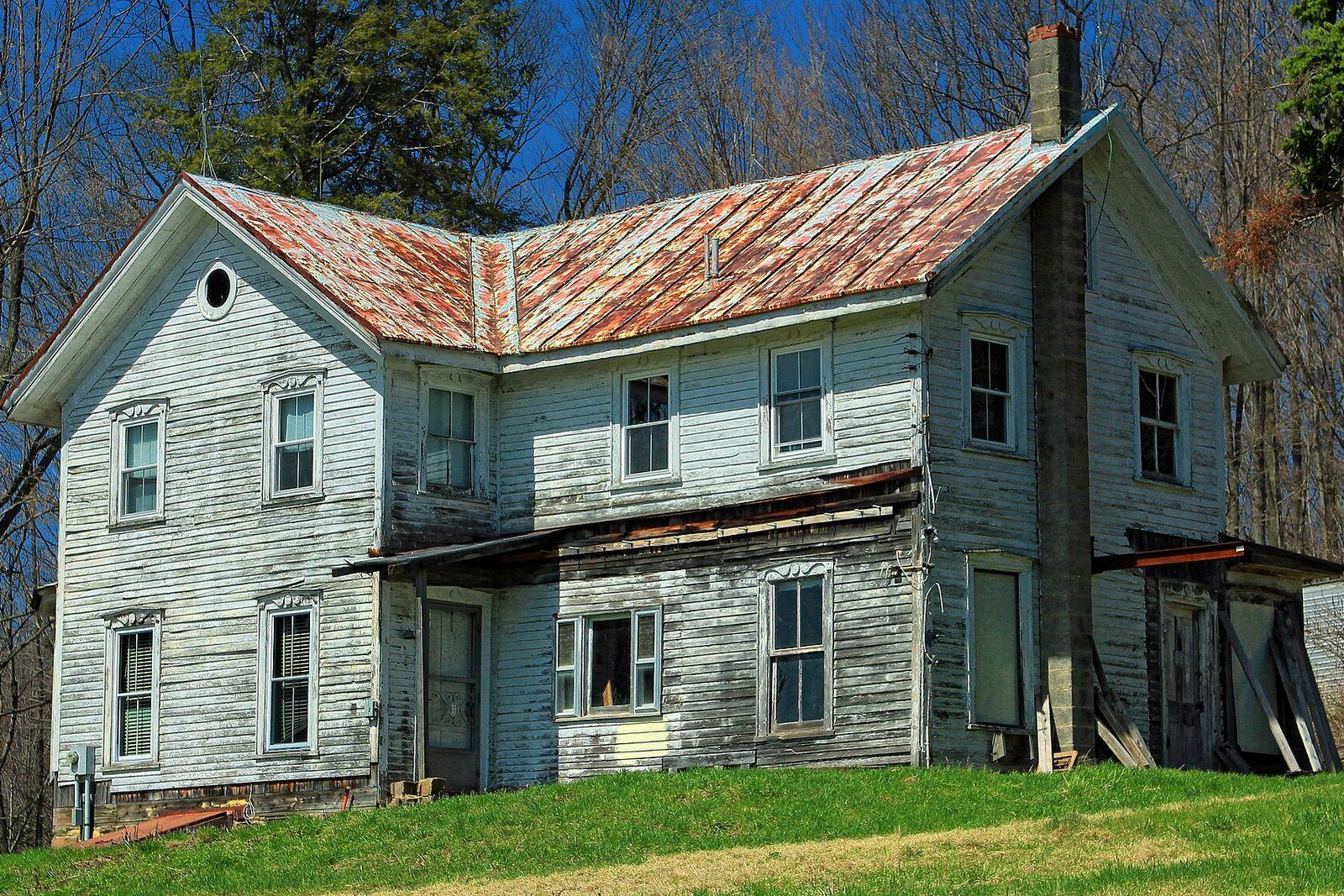
Should you fix it up or sell it as-is?
It depends on what the house needs, what you can spend, and how much time you have.
Repairs can pay off when the work is mostly cosmetic and the bones are solid. If you have the cash, the time and a contractor you trust, fixing it and listing it can bring a higher price.
Selling as-is often makes more sense when the house needs big-ticket work:
- A roof near the end of its life, or leaks that have already reached the ceiling
- An AC or heating system that's old or has quit
- Foundation cracks, doors that stick, or floors that slope
- Old plumbing or wiring, like original pipes or an outdated electrical panel
- Dated everything: the original kitchen, baths and flooring
Big jobs often grow once walls and floors are opened up, and you keep paying the mortgage, taxes, insurance and utilities while the work goes on.
Picture a few examples: a 1970s block house in Lakeland with the original roof and a tired AC, a ranch in Killeen that needs a new HVAC system and a kitchen, or an older house in Birmingham, Toledo or Little Rock with original plumbing and wiring. Each can be fixed. The question is whether you want to do it.
Why a house that needs repairs is hard to sell the usual way
A house that needs work tends to get stuck with buyers who use a mortgage.
- Inspections. The buyer's inspector writes up what's wrong, and buyers often come back asking for repairs, credits or a lower price.
- Insurance. The Consumer Financial Protection Bureau says lenders generally require proof of homeowners insurance. A buyer who can't insure the house usually can't get the loan.
- Older roofs in Florida. Citizens Property Insurance requires a four-point inspection (roof, electrical, plumbing and HVAC) on homes more than 20 years old. Its rules say a shingle roof older than 25 years needs documentation showing at least five years of remaining life, or proof of a full roof replacement before a policy is written.
Private insurers set their own rules, so ask your insurance agent. An older roof can hold up a Florida sale to a buyer who needs a loan. Old pipes can cause the same kind of trouble; see selling a Florida house with polybutylene pipes. If the cracks and settling are tied to a sinkhole, read selling a Florida house with sinkhole damage. For leaks, burst pipes or flooding, see selling a water damaged house.
Fix and list, list as-is, or sell to us
| Fix it, then list | List it as-is with an agent | Sell to Big Buck Offers | |
|---|---|---|---|
| Repairs | You pay for them up front | None before listing, but buyers may ask for repairs, credits or a lower price after the inspection | None. We buy as-is, no cleaning |
| Time | The repairs, then time on the market, then the buyer's loan | Time on the market, then the buyer's loan | As little as 7 days, or on your date |
| Payments while you wait | Mortgage, taxes, insurance and utilities through the repairs and the listing | The same, through the listing | Only until closing |
| Belongings | Move everything out | Move everything out | Take what you want and leave the rest |
| Commissions | Your listing agent, and maybe the buyer's | Your listing agent, and maybe the buyer's | None |
| Closing costs | You pay your share | You pay your share | We pay the closing costs |
| What you walk away with | The price, minus your loan payoff, repair bills, commissions, closing costs and any credits | The price, minus your loan payoff, commissions, closing costs and any credits | Our offer, minus your loan payoff |
To be fair about it: if the house needs only light work and you have time, listing can bring a higher price, before you take out repairs, commissions, closing costs and credits. Compare what you'd actually walk away with each way. You can ask us for an offer to get a real number to set next to your agent's estimate.
If the house has already been on the market and isn't selling, read what to do when you can't sell your house.
Do you have to disclose problems when you sell as-is?
In most states, yes. "As-is" means you aren't fixing things. It generally doesn't let you keep quiet about problems you know about. Rules and forms vary by state, so ask a local real estate attorney about your house. This is general information, not legal advice.
- Texas. Property Code section 5.008 requires the seller of a home with one dwelling unit to give the buyer a written seller's disclosure notice, filled out to the best of the seller's knowledge, on or before the date the contract takes effect. An as-is sale isn't one of the listed exemptions. If the buyer gets the notice after signing, they can end the contract for any reason within 7 days of getting it.
- Florida. The Florida Supreme Court held in Johnson v. Davis (1985) that a home seller who knows of facts that materially affect the value, which the buyer can't readily see and doesn't know about, has a duty to disclose them. A Florida Bar Journal article notes that an as-is clause doesn't remove that duty.
- Homes built before 1978. Under federal rules, sellers of most housing built before 1978 must disclose any known lead-based paint or lead hazards, share any records or reports they have, give the buyer the EPA pamphlet "Protect Your Family From Lead in Your Home," include a lead warning statement in the contract, and give the buyer a chance (generally 10 days) to have the paint tested.
Georgia, Alabama, Ohio, Arkansas and other states have their own rules, so check with a local attorney. When you sell to us, just tell us what you know: the leak, the crack, the patched roof.
Related pages: a condemned house or code violations, a fire damaged house, a hoarder house and an inherited house.
How selling to us works
- Tell us about the house. Use the form on this page or call 1-844-348-9268.
- Get a cash offer, usually the same day we have the property details. We can also make a seller-financed offer.
- Pick your closing date, as soon as 7 days or on the date that works for you.
We buy houses and condos in Tampa, Orlando, Jacksonville, Killeen, Birmingham, Macon, Toledo, Little Rock and more.
FAQ
Is it better to sell a house as-is or fix it up?
If the work is light and you have the money and time, fixing it up can bring a higher price. If it needs a roof, AC, foundation or plumbing work, selling as-is spares you the repair bills and the months of waiting. Compare what you'd walk away with each way.
Can I sell my house as-is with a realtor?
Yes. An agent can list your house as-is. Buyers can still inspect it and ask for a lower price, and you'll still pay commissions and your share of the closing costs.
Can I sell a house as-is with no inspection?
Whether a buyer inspects is up to the buyer and the contract. Selling as-is generally means you aren't agreeing to fix what an inspection turns up, not that the buyer can't look.
Do I have to disclose repairs when selling as-is?
Usually, yes. Most states expect you to disclose problems you know about, as-is or not. Ask a local real estate attorney about your state.
Will you buy a house that needs a new roof or foundation work?
We buy houses as-is, with no repairs and no cleaning. Tell us the address and what you know about the roof, foundation and systems, and we'll tell you if it's something we can buy.
This page is general information, not legal or tax advice.