

Can you sell a house with water damage?
Yes. You can sell a house with water damage as-is, whether it came from a burst pipe, a roof leak, a slab leak, a flood or storm surge, and even if mold has started. Your main choices are to repair it and list it, list it as-is with an agent, or sell it to a cash buyer like Big Buck Offers.
The right choice depends on what caused the water, what insurance will pay, and how much time you have.
Picture a few examples: a Port Charlotte house that took on storm surge, a Tampa ranch with a slab leak under the kitchen, a Kissimmee home where a roof leak turned into mold, or a Toledo house where a pipe burst while it sat empty. Each can be fixed, or you can ask us for a cash offer and compare.
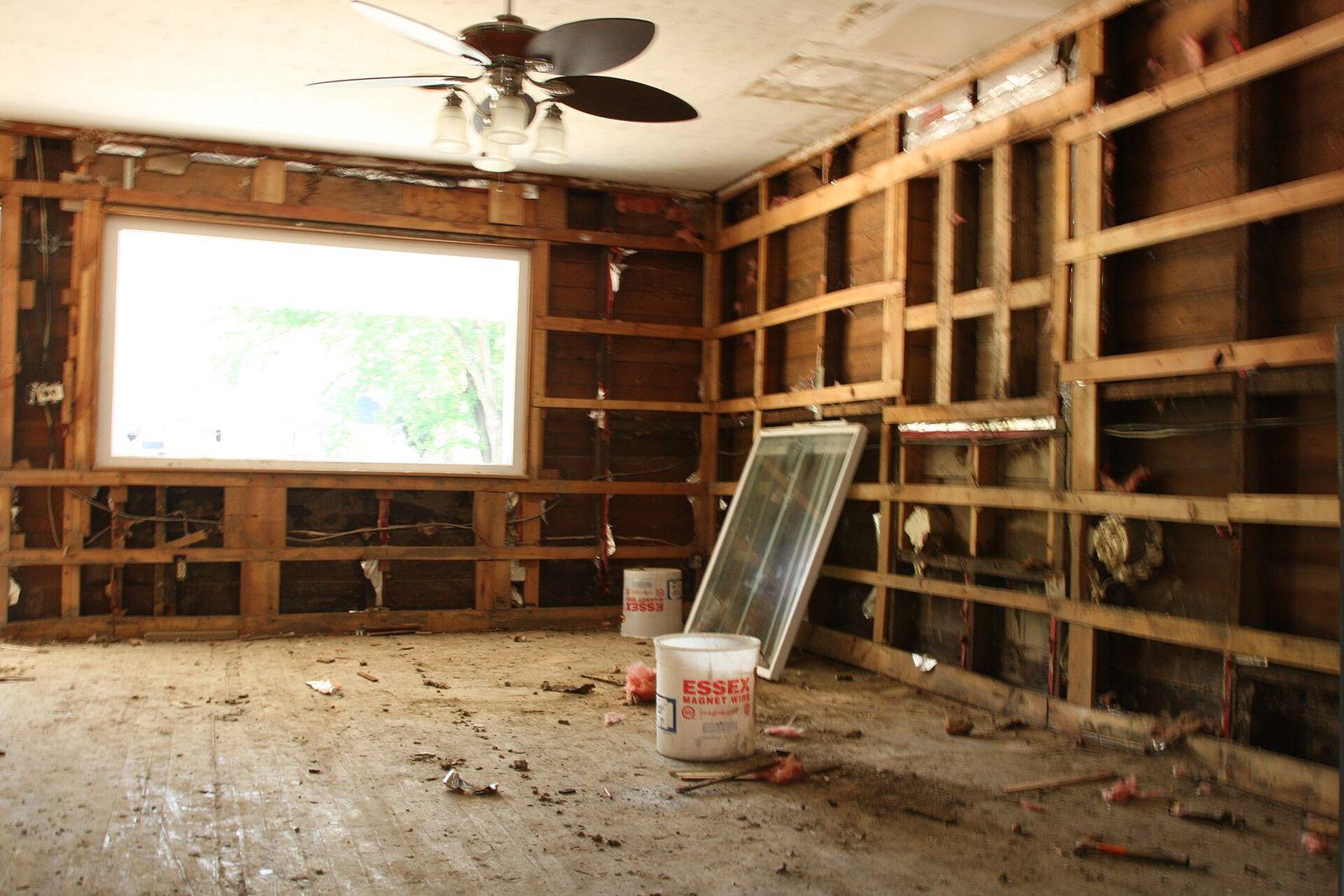
Does insurance cover water damage or flooding?
It depends on where the water came from.
Burst pipes and sudden leaks. The Texas Department of Insurance says most homeowner policies cover sudden and accidental water damage, but usually not damage from gradual leaks or seepage, including mold from them.
Floods. FEMA's flood insurance program says most homeowners insurance does not cover flood damage. Flood coverage is a separate policy, often through the National Flood Insurance Program (NFIP). If you have one, FEMA says to send your signed Proof of Loss within 60 days after the date of loss. Questions go to the NFIP at 877-336-2627.
Before you fix anything. The Texas Department of Insurance says temporary repairs are generally fine, but don't make permanent repairs until you've talked to your insurance company.
The check and your mortgage. The Consumer Financial Protection Bureau says some mortgage agreements require insurance checks to be made out to both you and the mortgage company. Florida's Homeowner Claims Bill of Rights says your lender may be a co-payee, that the insurer must acknowledge your claim within 7 days, and that you should get payment or a denial within 60 days in most cases. In Texas, the mortgage company must contact you within 10 days of getting the check.
Need help with a claim? Call the Florida Department of Financial Services at 1-877-693-5236 or the Texas Department of Insurance at 800-252-3439.
If you plan to sell while a claim is open, ask your insurer and your lender how the sale affects the claim before you sign anything, and write what you agree on into the contract. If a lot of money is at stake, talk to a local attorney.
Water damage and mold: what to know first
Mold follows water. The EPA says to dry water-damaged areas within 24 to 48 hours to prevent mold growth.
If mold has already grown, the EPA says most people can handle a moldy area smaller than about 10 square feet themselves. For bigger jobs, hire a contractor with mold cleanup experience. The EPA also says cleanup isn't finished until the water problem is fixed, such as a slab leak or a bad roof. Have health concerns? Talk to a health professional before you start.
Old plumbing is a common cause of leaks; see selling a Florida house with polybutylene pipes. If a flood hit a house in a high-risk flood zone, the county may decide it has to be raised before it's repaired. Read the FEMA 50 percent rule in Florida. FloodSmart says NFIP policies include up to $30,000 of Increased Cost of Compliance coverage when your community finds the house substantially damaged. If the city posted the house as unsafe, see selling a condemned house.
Do you have to disclose water damage when you sell?
In most states, yes. Selling as-is means you aren't fixing the problem, not that you can keep quiet about it. Rules vary by state, so ask a local real estate attorney.
- Florida. Florida law requires the seller of a home to give the buyer a flood disclosure at or before signing the contract. It asks whether you know of flooding that damaged the house while you owned it, whether you filed a flood insurance claim, including with the NFIP, and whether you got help for flood damage, such as from FEMA. Separately, under Johnson v. Davis (1985), a seller who knows of hidden facts that materially affect the value has a duty to disclose them. A Florida Bar Journal article notes that an as-is clause doesn't remove that duty.
- Texas. The seller's disclosure notice under Property Code section 5.008 asks about water damage not caused by a flood, past water getting into the house from a natural flood, flood insurance claims, and help from FEMA or the Small Business Administration for flood damage.
Alabama, Georgia, Ohio and Arkansas have their own rules, so check with a local attorney in Birmingham, Macon, Augusta, Toledo or Little Rock. When you sell to us, just tell us what you know: where the water came from, when, what was repaired, and whether a claim was paid.
Repair and list, or sell it as-is?
| Fix it, then list | List it as-is with an agent | Sell to Big Buck Offers | |
|---|---|---|---|
| Repairs | Drying, mold cleanup, the leak itself, then drywall, floors and cabinets | None before listing, but buyers may ask for repairs, credits or a lower price after the inspection | None. We buy as-is, no cleanup |
| Time | The repairs, then time on the market, then the buyer's loan | Time on the market, then the buyer's loan | As little as 7 days, or on your date |
| Payments while you wait | Mortgage, taxes, insurance and utilities through the repairs and the listing | The same, through the listing | Only until closing |
| Commissions | Your listing agent, and maybe the buyer's | Your listing agent, and maybe the buyer's | None |
| Closing costs | You pay your share | You pay your share | We pay the closing costs |
| What you walk away with | The price, minus your loan payoff, repairs not covered by insurance, commissions, closing costs and any credits | The price, minus your loan payoff, commissions, closing costs and any credits | Our offer, minus your loan payoff |
To be fair about it: if the damage is limited, insurance pays for the repairs and you have time, fixing it and listing it can bring a higher price, before you take out commissions, closing costs and credits. Compare what you'd actually walk away with each way.
A cash sale tends to make more sense when mold has spread, the claim was denied or won't cover it all, or you live out of town. See also selling a house as-is, or selling a fire damaged house if a fire came first.
How selling to us works
- Tell us about the house. Use the form on this page or call 1-844-348-9268.
- Get a cash offer, usually the same day we have the property details.
- Pick your closing date, as soon as 7 days or on the date that works for you.
We buy in Tampa, Orlando, Jacksonville, Killeen, Birmingham, Macon, Toledo and more.
FAQ
Can you sell a house with water damage in Florida?
Yes, as-is. Florida law requires a flood disclosure at or before signing the contract, and known hidden defects must be disclosed. We buy in Tampa Bay, Port Charlotte, Sarasota, Orlando, Kissimmee and Jacksonville.
Do you have to disclose flooding when selling a house?
In most states, yes. Florida and Texas both have seller disclosure questions about flooding that damaged the house, flood insurance claims and flood help such as FEMA. Ask a local real estate attorney about your state.
Can you sell a house with mold?
Yes, as-is, without cleaning it up first. Tell the buyer about mold and water problems you know about. We buy houses with mold as they are.
Does homeowners insurance cover flood damage?
Usually not. FEMA says most homeowners insurance does not cover flood damage, so you need a separate flood policy. A homeowners policy often covers sudden water damage, like a burst pipe.
Who buys water damaged houses?
Cash home buyers and investors buy them, and so do some people who plan to fix them up and live there. Buyers who need a mortgage may have a harder time if the house isn't livable.
This page is general information, not legal or insurance advice.