

What is an underwater mortgage?
Your mortgage is underwater, or upside down, when you owe more on the loan than the house is worth. You'll also hear it called negative equity. It can happen to anyone, often after prices dip.
You have options. You can sell and bring cash to closing, ask your lender for a short sale or a deed in lieu, ask your servicer about a loan modification, keep paying until the value catches up, or sell to a buyer who takes over your payments. Big Buck Offers can take over the payments on your mortgage and buy the house as-is.
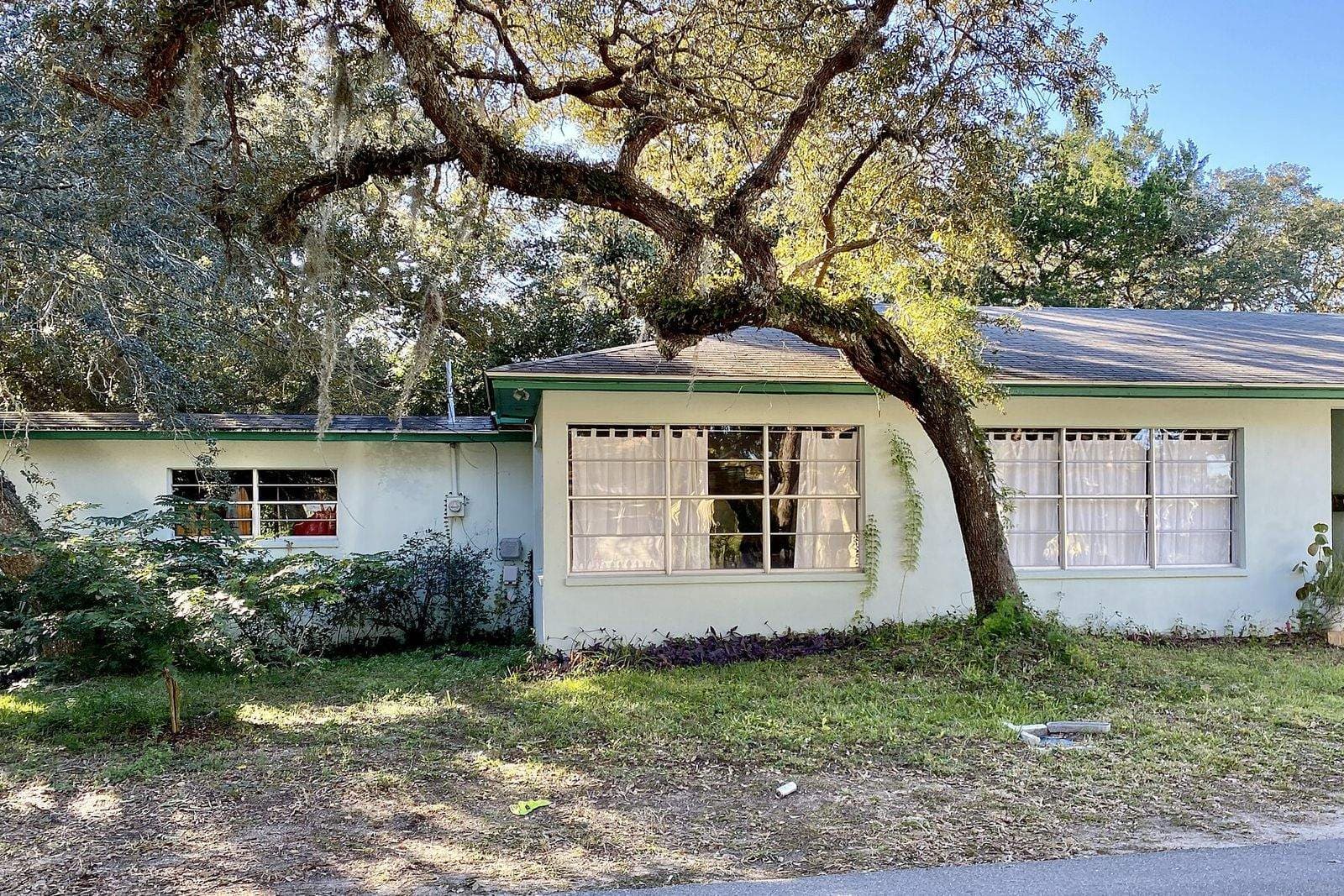
How to tell if you're underwater
Two numbers tell you where you stand.
- What you owe. Ask your servicer for a payoff statement. It shows the total needed to pay off the loan by a certain date, including interest and any unpaid fees, so it's usually different from the balance on your monthly statement. Add any second mortgage or home equity line.
- What you'd walk away with. Start with a realistic price for the house as it is today. Then take off what selling would cost you: commissions, closing costs, and the repairs or credits a buyer may ask for.
If the second number is smaller than the first, you're underwater, or close enough that a regular sale would cost you money at closing.
Your options when you owe more than the house is worth
| Option | What it is | Credit and debt | Time | Who it fits |
|---|---|---|---|---|
| Short sale | Your lender lets you sell for less than you owe | Lender approval needed. Ask it to waive the rest in writing | Finding a buyer, then your lender's review | You can't keep up and want to leave without a foreclosure |
| Deed in lieu | You hand the house to the lender instead of a foreclosure | Make sure it covers everything you owe, in writing | Depends on your lender | You've tried other options and want to move out |
| Loan modification or other help from your servicer | New loan terms, like a longer term or a lower rate | You keep the house. Ask how it changes your total owed | Depends on your servicer's review | You want to stay and could afford a lower payment |
| Sell and bring cash | A regular sale where you pay the gap at closing | The loan is paid off in full | Time on the market, then the buyer's loan approval | You have savings to cover the gap |
| A buyer takes over your payments | The buyer buys subject to your loan and makes the payments | The loan stays in your name and keeps reporting on your credit | With us, as little as 7 days | You owe about what it's worth and want to move on |
A HUD-approved housing counselor can help you sort through these for free. Call (800) 569-4287. Never pay anyone upfront to stop a foreclosure or fix your mortgage. The FTC says it's illegal for a company to charge you upfront for promises of mortgage relief.
Short sale vs foreclosure
In a short sale, your lender agrees to let you sell the house for less than you owe. You find a buyer, usually with an agent, and the lender has to approve the sale. A foreclosure is your lender taking the house because the loan isn't being paid. In Florida that goes through the courts, as our Florida foreclosure process guide explains.
Fannie Mae says credit repair begins sooner after a short sale than after a completed foreclosure. Its rules, for example, generally ask for a 4-year wait after a short sale or a deed in lieu before a new Fannie Mae mortgage, compared with 7 years after a foreclosure (shorter with extenuating circumstances).
Ask about the deficiency. The gap between what the house sells for and what you owe is called a deficiency. In some states, the lender can sue you for it after a short sale. Before you close, ask your lender to waive the deficiency, get the waiver in writing, and keep it. With a deed in lieu, make sure the agreement covers the whole amount you owe.
Ask about taxes. If a lender forgives part of your debt, it may send you a Form 1099-C, and the IRS generally counts canceled debt as income unless an exclusion applies, like being insolvent. A special exclusion for forgiven debt on a main home applied to debt discharged before January 1, 2026. IRS Publication 4681 explains the rules. Ask a tax professional before you sign.
Can someone take over my underwater mortgage?
Yes. A buyer can buy your house subject to your existing mortgage. You sign the house over, the buyer makes your monthly payments from then on, and your loan stays as it is, with the same rate and payment. There's no short sale to apply for.
Big Buck Offers can take over the payments on your mortgage and buy the house as-is, with no repairs and no cleaning. In some cases we also pay you at closing on top of taking over the payments. We can use a third-party loan servicing company that pays your lender automatically, so you can see every payment.
On some purchases we hold the house in a land trust where you stay a beneficiary and we're added to the trust, and we'll explain how that works for your house. Read more about how someone can take over your mortgage payments.
Listing it vs selling to us
| List it with an agent | Sell to Big Buck Offers | |
|---|---|---|
| Time | Time on the market, then the buyer's loan approval | As little as 7 days, or on your date |
| Repairs | Buyers' inspections often lead to repair requests or price cuts | None. We buy as-is, no cleaning |
| Commissions | You pay your listing agent, and maybe the buyer's | None |
| Closing costs | You pay your share | We pay the closing costs |
| Money at closing | If it sells for less than you owe, you bring cash or need your lender's short sale approval | We can take over your payments, and in some cases pay you at closing |
If the house is in good shape and you have time, listing can bring a higher price, before commissions, closing costs and repairs. Compare what you'd actually walk away with, or have to bring, each way. Already listed and it won't move? See what to do when you can't sell your house.
How selling to us works
- Tell us about the house. Use the form on this page or call 1-844-348-9268. Include roughly what you owe and your monthly payment.
- Get an offer, usually the same day we have the property details.
- Pick your closing date, as soon as 7 days or on the date that works for you.
Behind on payments? See how to sell your house to stop a foreclosure. We buy in Port Charlotte, Sarasota, Lakeland, Killeen, Temple, Little Rock and across the areas we serve, or you can just ask us for an offer.
FAQ
What does it mean to be upside down on your mortgage?
It means you owe more on your mortgage than the house is worth today. Compare your payoff statement with a realistic price minus selling costs.
Can you sell a house if you owe more than it's worth?
Yes. You can bring cash to cover the gap, ask your lender for a short sale, or sell to a buyer who takes over your payments.
Is a short sale better than foreclosure?
Fannie Mae says credit repair begins sooner after a short sale than after a foreclosure, and its waiting period for a new mortgage is shorter. Ask your lender to waive any remaining balance in writing.
Do I pay taxes on a short sale or deed in lieu?
You might. Forgiven debt can count as income, and your lender may send a Form 1099-C. Exclusions can apply, so ask a tax professional.
What about the due-on-sale clause if someone takes over my payments?
Most mortgages have one. It gives the lender the option to ask for the balance after the house changes hands. We'll go over how we handle it on your house before you sign anything, and we're glad to go over it with your attorney too.
This page is general information about how these sales can work. It isn't legal, tax or financial advice, and Big Buck Offers isn't a law firm, an attorney, a lender or a financial advisor. Reading it doesn't create an attorney-client or advisory relationship with anyone. Every loan and every situation is different, and laws change, so please have your own real estate attorney review any agreement before you sign it. We're glad to answer questions and to work with your attorney.