

Can I sell my house while in Chapter 13 bankruptcy?
Generally, yes. But you usually need the bankruptcy court's approval first, through a motion to sell that your bankruptcy attorney files. At closing, the mortgage and other liens are paid from the sale. Depending on your plan and your exemptions, some of what's left may go to the Chapter 13 trustee to pay your creditors.
Selling during Chapter 13 isn't a failure, and people do it to move, downsize or finish their plan. The key is doing it in the right order, with your attorney involved before you sign anything.
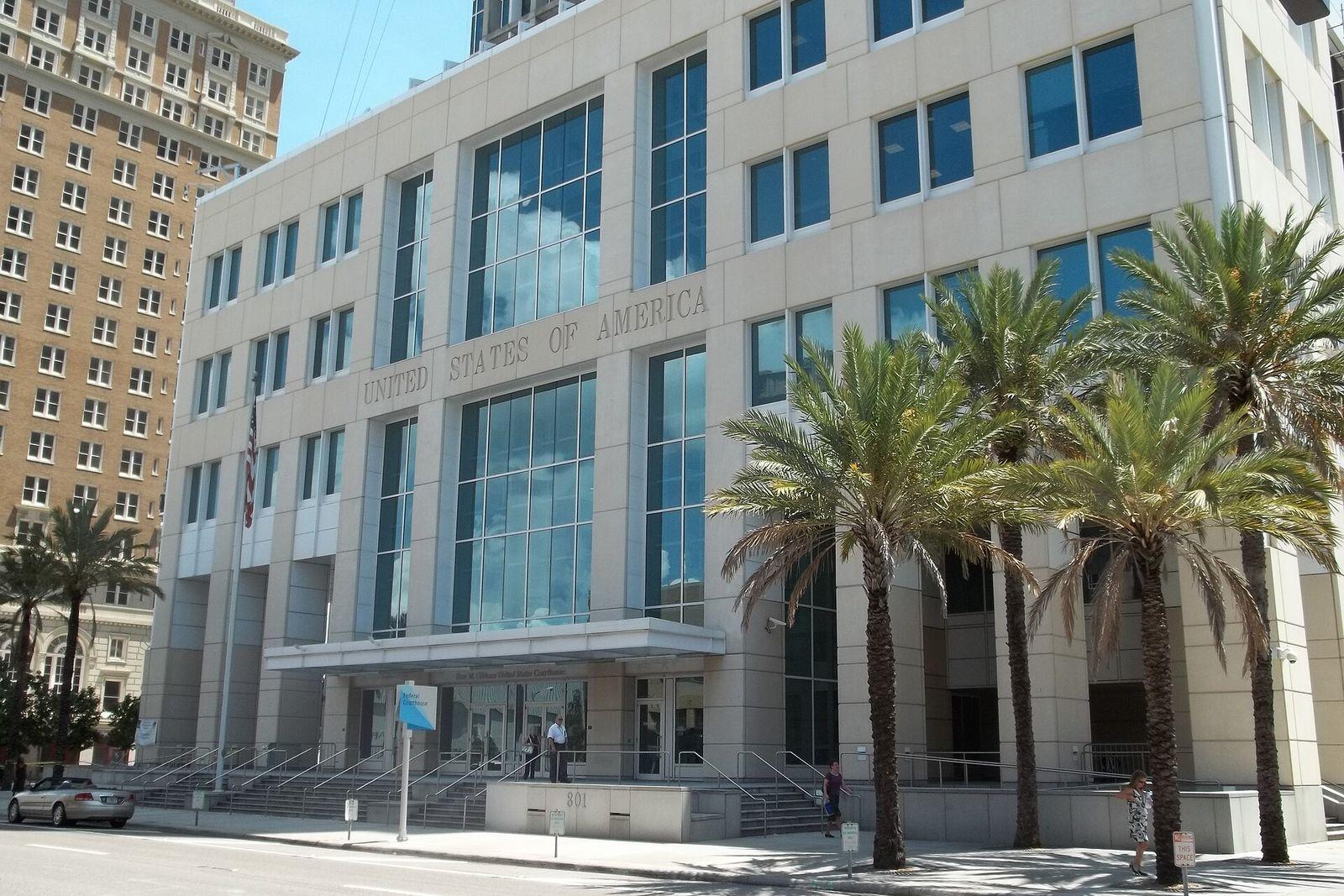
Why you need the court's approval to sell
Filing a bankruptcy case creates a "bankruptcy estate" made up of your interests in property, including your house (11 U.S.C. 541). In Chapter 13, the estate also includes property you get after you file (11 U.S.C. 1306), and you keep possession of it unless your confirmed plan or the order confirming it says otherwise.
A Chapter 13 debtor has the trustee's power to sell estate property outside the ordinary course of business (11 U.S.C. 1303). That power comes with a condition in 11 U.S.C. 363(b): the sale happens "after notice and a hearing." That's why your creditors and the trustee get a chance to object before you close.
Plans and local rules vary, so ask your bankruptcy attorney what your court requires.
How a motion to sell works, step by step
Federal Rule of Bankruptcy Procedure 6004 sets the basic rules, and each court adds its own local rules. Here's the usual order:
| Step | What happens | Good to know |
|---|---|---|
| 1. Get a contract | You agree on a price with a buyer | Ask your attorney before you sign, and how the contract should handle court approval |
| 2. Attorney files the motion | It describes the house, the price, the liens, and where the money goes | In the Western District of Texas, it has to say whether the trustee agrees |
| 3. Notice goes out | Creditors and the trustee are told about the sale | Several courts use a 21-day notice period |
| 4. Time to object | Anyone can file an objection by the deadline | In some courts, if no one objects, the sale can be approved without a hearing |
| 5. The order | The judge signs an order approving the sale | It generally can't be acted on for 14 days after it's entered, unless the court orders otherwise |
| 6. Closing | Liens are paid, the trustee gets any share owed, you sign the deed | Afterward, a statement of the sale is generally filed and sent to the U.S. trustee |
Timing varies by district and judge. With a 21-day notice period and the 14-day wait after the order, it can take several weeks, so plan your closing date with your attorney.
What happens to the money from the sale?
The mortgage and liens are paid first, at closing, from the sale price. The motion lists each lien and its payoff.
The trustee may ask for part of the rest. Court forms in some districts let the Chapter 13 trustee collect funds straight from closing to pay off the plan, with anything left going to you. Other forms let you ask to keep part of the money for living costs and expenses.
Your homestead exemption matters. How much of your equity is protected depends on your state's exemption rules and what you claimed when you filed. Your bankruptcy attorney can run your numbers.
Selling to pay off your Chapter 13 plan early
Under 11 U.S.C. 1329, after your plan is confirmed, you, the trustee or an unsecured creditor can ask to modify it, including to reduce the time for payments.
Your attorney may file a motion to sell and a motion to modify the plan together. The federal courts' Chapter 13 guide says you're entitled to a discharge once all plan payments are made. Ask your attorney what payoff figure the trustee will need at closing.
If you're behind on plan payments or facing a motion for relief from stay
Filing Chapter 13 "automatically stays" most collection actions, including foreclosure. But if you miss plan payments, the court can dismiss your case or convert it to Chapter 7. You also have to keep paying the mortgage payments that come due during the plan.
A lender can file a motion for relief from the stay, asking the court to let it go forward with its foreclosure. Under 11 U.S.C. 362(d), the court can grant relief for cause, or when you have no equity and the house isn't needed for your plan. In the Middle District of Florida, you generally get 21 days to respond.
If you get one of these motions, call your attorney the same day. A quick sale may still work if there's equity and time. If a case is dismissed, see being behind on mortgage payments, selling to stop a foreclosure and the Florida foreclosure process.
Selling as-is to a buyer who can wait for the order
A Chapter 13 sale needs a buyer who will wait for the court.
We buy houses as-is, with no repairs and no cleaning. There are no fees or commissions, and we pay the closing costs. You pick the closing date, so it can be after the court approves the sale. We can close in as little as 7 days, or on the date that works for you and your attorney.
| List with an agent | Sell as-is to Big Buck Offers | |
|---|---|---|
| Price | Can bring a higher price when the house is in good shape and there's time | Below a retail listing |
| Repairs | Buyers' inspections often lead to repair requests or price cuts | None. We buy as-is |
| Commissions | Agent commission comes out of the sale | None |
| Closing costs | You pay your share | We pay the closing costs |
| Court timing | The buyer has to wait for the order, often with a loan approval too | You pick the closing date, so it can be after the order |
When listing makes more sense: if the house is in good shape and you have months before you need to close, listing may net you more. Compare what you'd actually walk away with each way.
If you owe more than the house is worth, read about selling with an underwater mortgage and other options when the loan balance is high, and ask your attorney which fit inside your case.
How selling to us works
- Tell us about the house. Use the form on this page or call 1-844-348-9268. Tell us you're in Chapter 13 and who your attorney is.
- Get a cash offer, usually the same day we have the property details. We can make a seller-financed offer too.
- Pick your closing date, as soon as 7 days, or after the court approves the sale.
Please talk to your bankruptcy attorney before you sign any contract, including ours. We're glad to work with your attorney. We buy houses and condos in places like Tampa and Jacksonville, contents and tenants included. You can ask us for an offer any time.
FAQ
Can I sell my house during Chapter 13 without court approval?
Usually not. A sale like this generally needs notice and a hearing, so your attorney files a motion to sell first. Your plan and local rules can change the details.
How long does a motion to sell take in Chapter 13?
It depends on your court. Several courts use a 21-day notice period, and the order generally can't be acted on for 14 days after it's entered unless the court orders otherwise. Plan on several weeks from motion to closing.
Do I get to keep the money if I sell my house in Chapter 13?
Maybe some of it. The mortgage and liens are paid first, the trustee may collect money to pay your plan, and what you keep depends on your plan and your state's exemptions.
Can I sell my house to pay off my Chapter 13 plan early?
Often, yes. A confirmed plan can be modified to shorten it, and once all plan payments are made you're entitled to a discharge. Ask your attorney for the trustee's payoff figure.
Will you wait for the bankruptcy court to approve the sale?
Yes. You pick the closing date, so it can be after the court approves the sale.
This page is general information about how these sales can work. It isn't legal, tax or financial advice, and Big Buck Offers isn't a law firm, an attorney, a lender or a financial advisor. Reading it doesn't create an attorney-client or advisory relationship with anyone. Every loan and every situation is different, and laws change, so please have your own real estate attorney review any agreement before you sign it. We're glad to answer questions and to work with your attorney.