

Can you sell a vacant house?
Yes. You can sell a vacant house the same way you'd sell any other house: list it with an agent, sell it as-is, or sell it to a cash buyer. Selling sooner often makes sense, because an empty house keeps costing you money, many insurance policies limit coverage once a house sits empty, and small problems grow when nobody is there to see them.
Maybe you inherited a parent's house, moved for work, lost a rental's tenants, moved a parent into care, or a storm made the house hard to live in. The questions are usually the same: what is it costing me, what could go wrong, and what are my options?
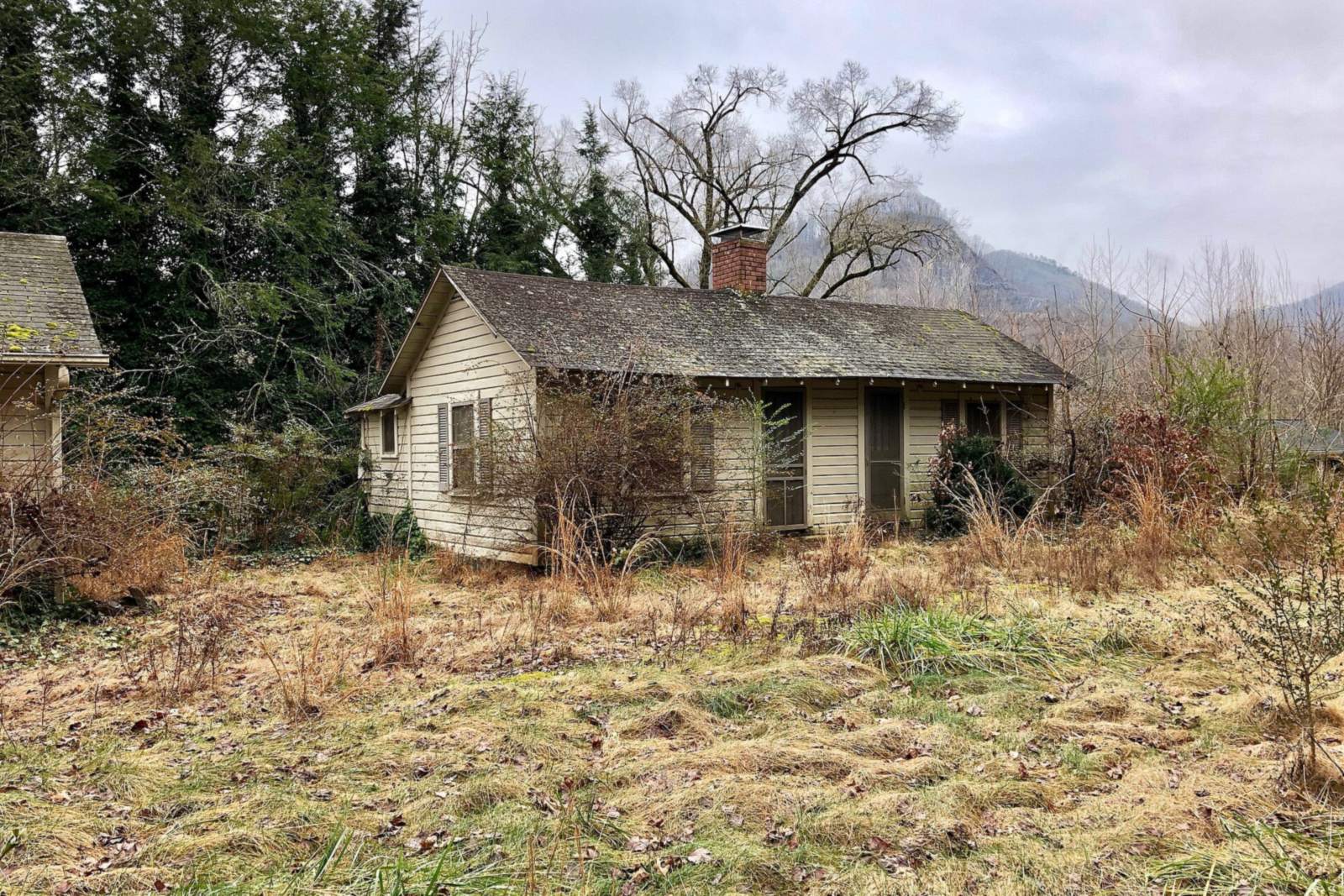
Why an empty house gets harder to sell the longer it sits
An empty house doesn't stop sending bills. Property taxes, insurance, utilities, lawn care and any mortgage payment keep coming. If the taxes fall behind, see selling a house behind on property taxes.
The bigger cost is often what nobody sees. A slow roof leak or a dripping pipe can run for weeks before anyone walks in, and so can a failed AC in a Florida summer. By the time someone notices, a small repair can turn into water damage or mold.
Tall grass, piled-up mail and dark windows also tell everyone the house is empty. That can draw break-ins, trespassers and complaints to the city.
None of this means you have to sell. It means the decision is worth making on purpose.
Vacant home insurance: what changes when no one lives there
Many homeowners policies treat a vacant house differently. The Texas Department of Insurance says most policies don't cover losses that happen once a house has been vacant for the number of days the policy names. It also says a company can choose not to renew if the house is vacant for 60 days or more, and that most companies stop coverage if a house sits empty that long, though they usually don't stop liability coverage.
The National Association of Insurance Commissioners puts it simply: vacant or unoccupied homes can leave the owner exposed to losses and liability that a homeowners policy may not cover.
What to do now:
- Read your policy for the words "vacant" or "unoccupied" and the number of days.
- Call your agent or insurance company and tell them the house is empty. Ask what coverage you have and whether they offer a policy or endorsement for a vacant house.
Squatters and break-ins at a vacant house
Florida has a specific process for squatters. Under Florida Statutes section 82.036, the owner or the owner's agent can ask the county sheriff to remove people who are living in a house without permission, if all of these are true:
- The people entered unlawfully and are still there, and the house wasn't open to the public when they entered.
- You told them to leave.
- They are not current or former tenants under a lease you agreed to (written or spoken), and not your immediate family.
- There is no lawsuit about the property pending between you and them.
You sign a sworn complaint, in the form the law sets out, with a copy of your ID. If the sheriff verifies it, the sheriff serves a notice to vacate immediately and puts you back in possession. You pay the sheriff's fee. False statements are perjury, and a person removed wrongfully can sue for triple the fair market rent plus costs.
If the people inside were ever tenants, you'll need an eviction instead. Outside Florida the rules differ. Either way, talk to a local real estate attorney before you act.
Code violations and vacant property registration
An overgrown yard, junk outside or a house left open can lead to a code case, then daily fines and a lien. Our page on selling a house with code violations explains how fines and liens work in Florida and how they're paid at closing. If the city has declared the house unsafe, see what to do with a condemned house.
Some cities also make owners register a vacant house. The City of Toledo says a residential property must be registered within 30 days of becoming vacant, renewed each year by January 31, with a $100 fee. Toledo counts a house as vacant when no one is lawfully living there permanently, even if the utilities are on. Owners have to name a local agent, keep the house secured and can face fines for not registering.
Rules vary. Jacksonville's registry, for example, is aimed at lenders when a mortgage is in default. Ask your city's code office whether your house needs to be registered.
Selling a vacant house from out of state
You don't need to live nearby to sell. A few things help:
- Get someone local you trust to check the house, collect the mail and let people in.
- Ask the title company whether you can sign the closing papers where you live, and how.
- Decide about the contents. When you sell to us, you can take what you want and leave the rest. If the house is packed full, see selling a house full of stuff.
Your options for a vacant house
| Option | What it takes | Often a fit when |
|---|---|---|
| Fix it up and list with an agent | Repairs, cleaning, showings, commissions, closing costs and bills while it's listed | The house is in good shape and you have time |
| List it as-is with an agent | Commissions, showings and repair requests from buyers' inspections | The house is livable and you can wait |
| Rent it out | Repairs, tenant screening, maybe a property manager | You want to keep it and can be a landlord |
| Sell to a cash buyer like Big Buck Offers | Tell us about the house | You want it off your plate, it needs work, or you live far away |
To be fair to you: if the house is in good condition and you have time, listing with an agent can bring a higher price. Compare what you'd walk away with after commissions, closing costs, repairs and months of bills while it's listed.
When you sell to us, we buy as-is with no repairs and no cleaning. There are no fees or agent commissions, we pay the closing costs, and you can close in as little as 7 days or on the date you pick.
How selling to us works
- Tell us about the house. Use the form on this page or call 1-844-348-9268. Mention how long it's been empty.
- Get a cash offer, usually the same day we have the property details.
- Pick your closing date, as soon as 7 days or on the date you choose.
We buy in areas including Tampa, Orlando, Jacksonville and Toledo. Or just ask us for an offer.
FAQ
Can you sell an empty house?
Yes. You can list it with an agent, sell it as-is, or sell it to a cash buyer. We buy vacant houses as-is, with no repairs or cleaning.
How long can a house be vacant before insurance stops covering it?
It depends on your policy. The Texas Department of Insurance says most companies stop coverage if a house is vacant for 60 days or more, so read your policy and call your agent.
How do I get squatters out of my vacant house in Florida?
If they aren't tenants or family, Florida Statutes section 82.036 lets you file a sworn complaint with the county sheriff, who can order them out. Talk to a real estate attorney first.
Can I sell a vacant house if I live out of state?
Yes. Ask the title company how you can sign the closing papers from where you live, and have someone local you trust check on the house until it sells.
Do I have to clean out a vacant house before selling it?
Not if you sell to us. We buy houses with the contents still inside: take what you want and leave the rest.
This page is general information, not legal or tax advice.